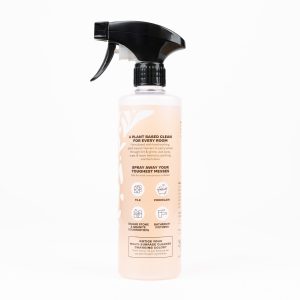
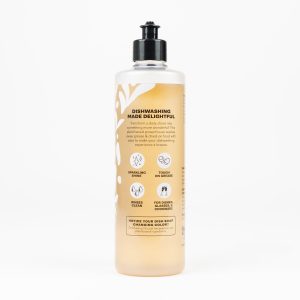
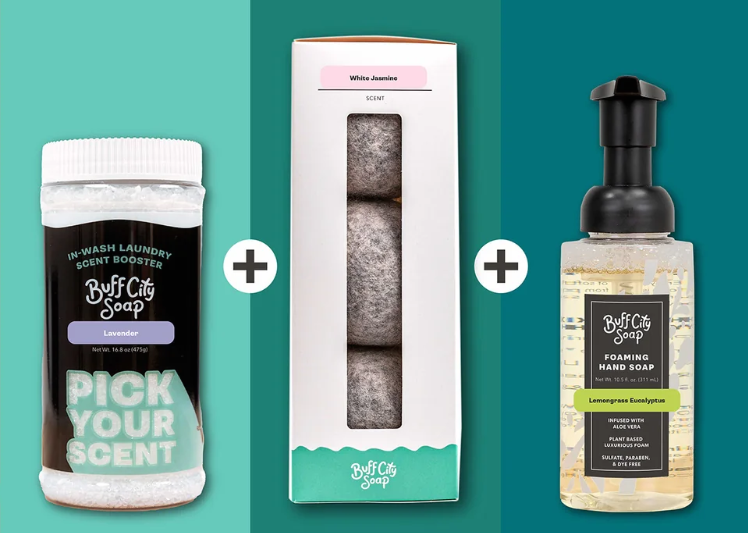
$1O BUILD YOUR BUNDLE
Choose your favorite Dish Soap,Multi-Surface Cleaner,& Foaming
Hand Soap!



NEW& POPULAR
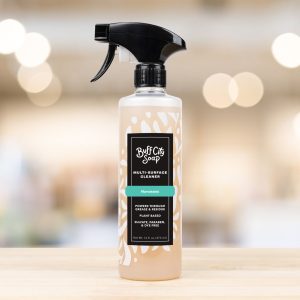
New Products
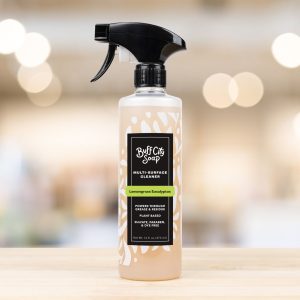
New Products
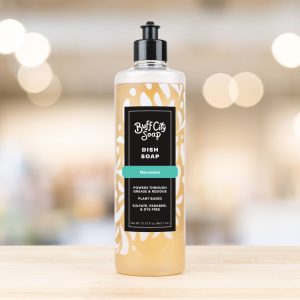
New Products
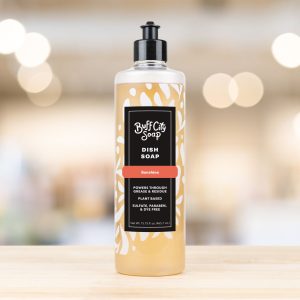
New Products
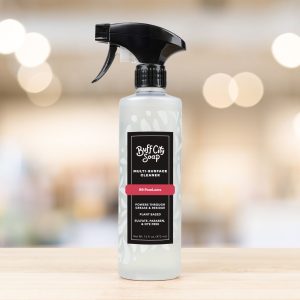
New Products
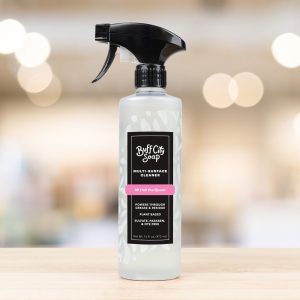
New Products
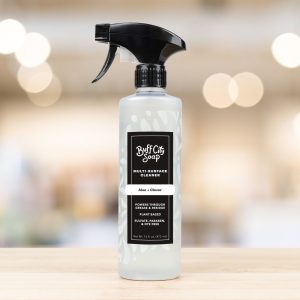
New Products
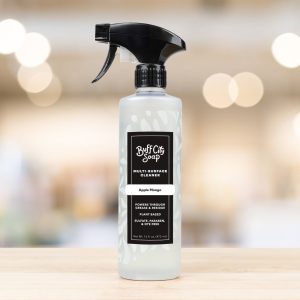
New Products
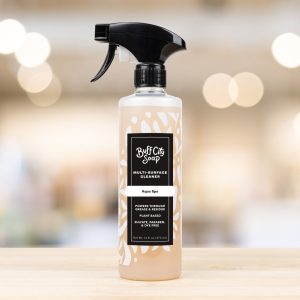
New Products
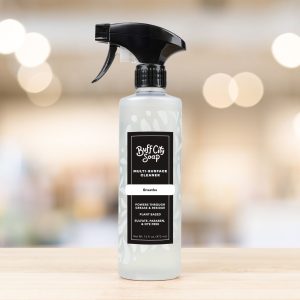
New Products
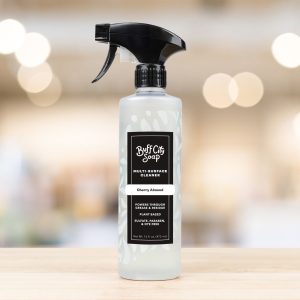
New Products
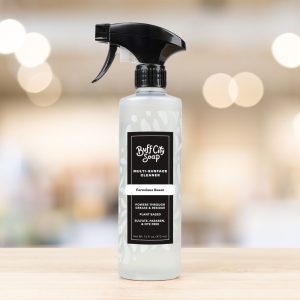
New Products
SHOP BY CATEGORY



The concept of maintaining a sanitary living space is a cornerstone of well-being, yet the mechanisms we use to achieve it are often taken for granted. The simple array of substances we employ daily to banish unwanted elements from our environment represents a crucial line of defense and contributes significantly to the overall quality of our indoor existence. These preparations, commonly found beneath sinks and in utility closets, are far more than just scented water; they are sophisticated compositions designed through scientific understanding to interact with surfaces and microorganisms.
The evolution of these cleansing agents is a fascinating journey. Historically, people relied on natural acids, alkalis, and abrasives—substances like vinegar, soap derived from fats and lye, and fine sands—to manage their domestic hygiene. While effective to a degree, these older methods often lacked the targeted efficacy and convenience demanded by contemporary lifestyles. The breakthrough came with the advent of synthetic organic chemistry, which allowed formulators to engineer molecules specifically tailored to tackle grease, stains, and biological contaminants with greater precision and speed.
One of the primary functions of these preparations is surfactancy. These are components that modify the surface tension of water, allowing it to mix with and lift oils and dirt that would otherwise repel it. Imagine a battle between a water molecule and a grease particle; the surfactant acts as a mediator, with one end attracted to water (hydrophilic) and the other to oil (lipophilic). This dual nature allows the preparation to penetrate the soiled area, encapsulate the unwanted material, and hold it in suspension so it can be easily rinsed away. This mechanism is central to the success of nearly every type of general-purpose solution used in the kitchen and bathroom.
Beyond general cleansing, modern formulations often incorporate ingredients for specific tasks. For instance, some are designed with mild abrasive qualities—fine, microscopic particles that physically help scour away tenacious residues without damaging the underlying surface. These are particularly useful for baked-on food or mineral deposits in wet areas. Other preparations include chelating agents, which are specialized molecules that bind to and neutralize metallic ions commonly found in hard water. Without these agents, these ions could precipitate out and leave behind unsightly film or streaks, reducing the effectiveness of the entire operation. By sequestering these ions, the chelating agents ensure a clearer, shinier result.
A significant focus in the development of these essential products is biological control. In areas prone to moisture and organic matter, like shower stalls and food preparation zones, there is a constant need to manage the presence of undesirable organisms. Many specialized fluids include constituents that disrupt the cellular structure of these microbes, effectively neutralizing them. This isn’t merely about aesthetics; it is a critical step in preventing the spread of things that can compromise well-being. A clean-looking counter may still harbor unseen elements, making the targeted use of these hygienic solutions paramount.
The sensory aspect of cleansing is also important. The addition of aromatic compounds is not just a marketing feature; it contributes to the perception of a thoroughly purified space. Olfactory cues play a powerful role in our assessment of cleanliness, and a pleasant, fresh scent can reinforce the feeling of a job well done. These aromatic additions are carefully chosen to be stable within the complex chemical matrix of the cleaning solution and to dissipate appropriately after application.
In conclusion, the seemingly mundane collection of bottles and sprayers represents a sophisticated intersection of chemistry, physics, and practical design. They are essential tools that enable us to effortlessly manage the complexities of our indoor environment, turning routine maintenance into an effective means of safeguarding a comfortable and pure personal space. Understanding the science behind these daily helpers offers a deeper appreciation for their indispensable contribution to the maintenance of a high-quality living standard. They allow us to move beyond simple wiping and into a realm of deep, hygienic purification, making our homes true sanctuaries.